
Condensate Pot Manufacturer
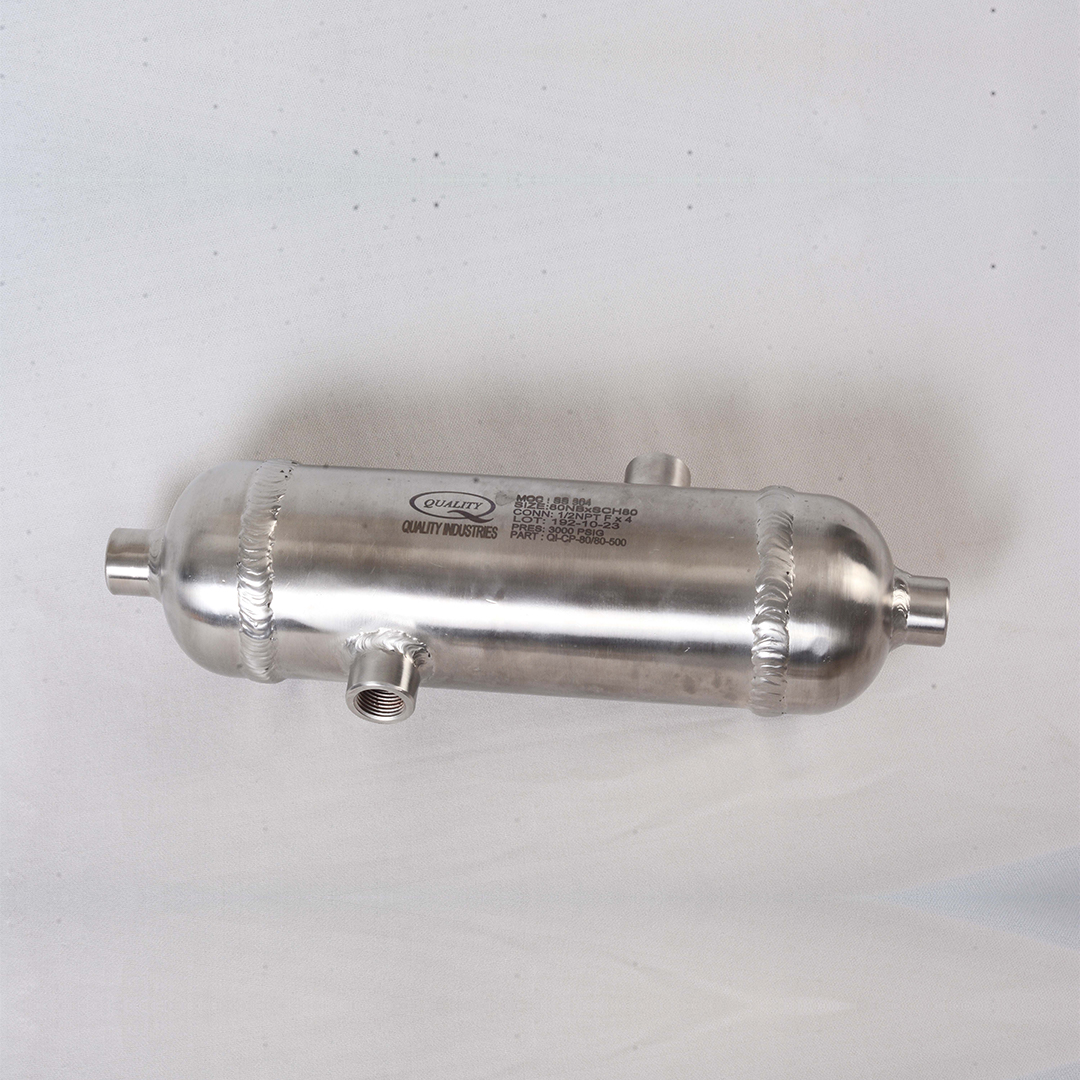
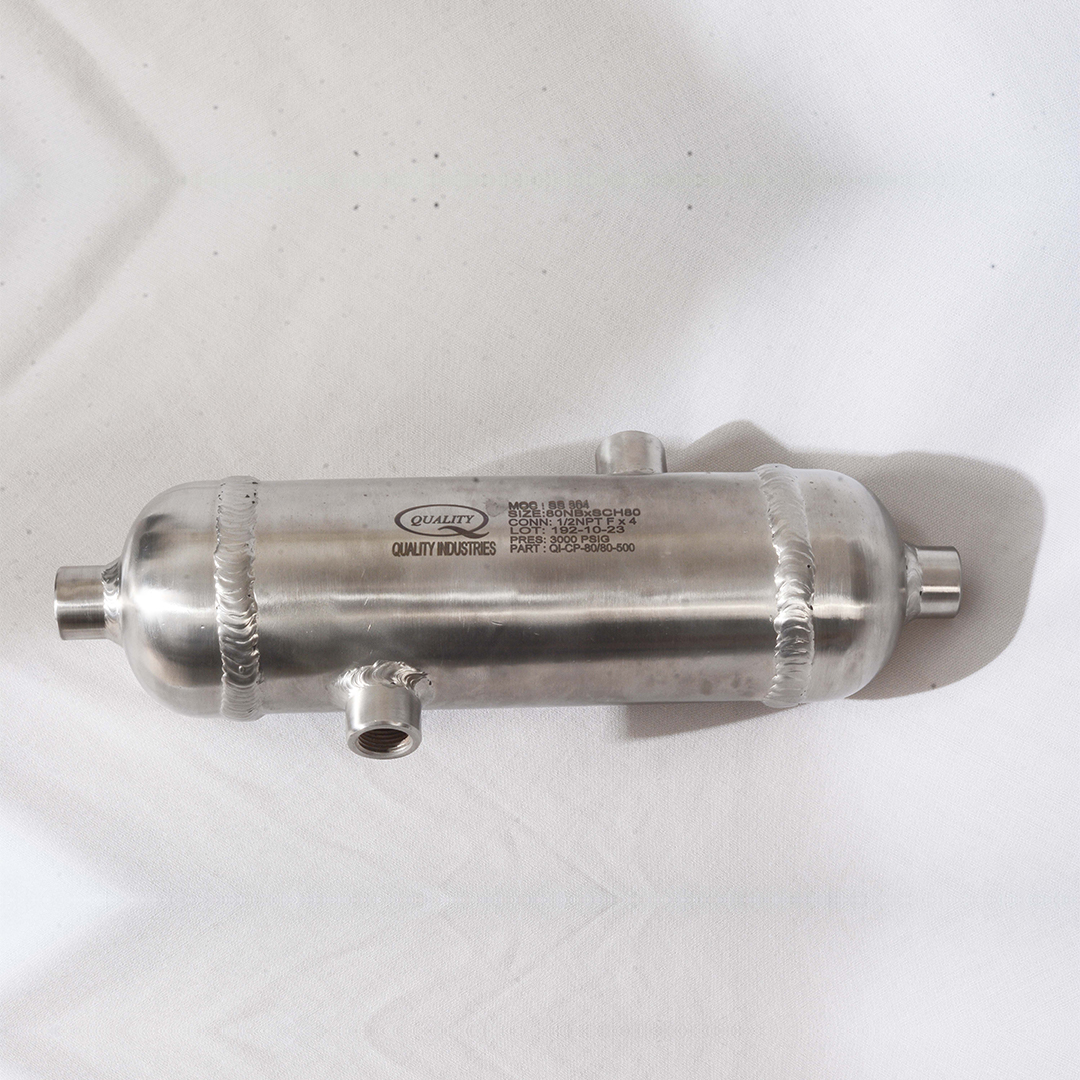
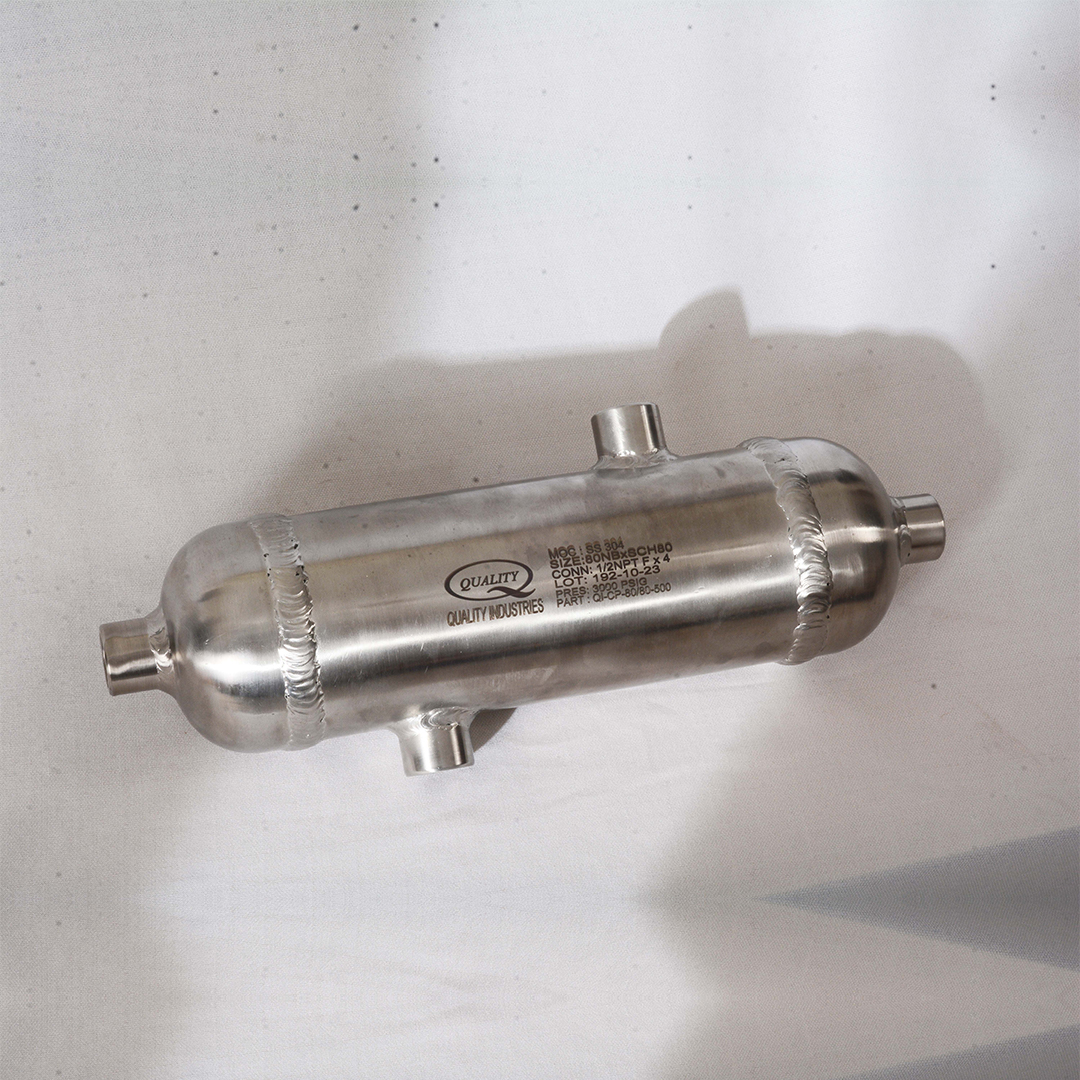
Specification & Standard
Size Range
½” to 2” (15 NB to 50 NB)
Working Pressure
Up to 300 Bar
Temperature
Up to 450°C(as per material)
End Connection
Socket Weld (SW), Screwed (NPT/BSP), Flanged as per requirement
Body
Carbon Steel (A105), Stainless Steel (SS 304 / SS 316), Alloy Steel
Quality Valves Fittings is a trusted Condensate Pot Manufacturer in India, offering high-quality condensate pots designed for accurate steam flow and pressure measurement. Our condensate pots are widely used to protect measuring instruments by collecting condensate and preventing direct contact with high-temperature steam. A Condensate Pot, also known as a seal pot, is an essential component in steam measurement systems. It helps maintain consistent pressure, ensures reliable readings, and enhances the lifespan of gauges, transmitters, and other instrumentation equipment. As an experienced Condensate Pot Manufacturer, we focus on precision engineering, superior materials, and strict quality control.
Condensate pots are typically installed in either vertical or horizontal orientations between the primary flow element (such as a flow meter) and the secondary instrument (like a transmitter or gauge). Proper installation involves placing both units at the same elevation to avoid errors caused by an unequal fluid head in the impulse lines. These pots are widely used in refineries, power plants, chemical and petrochemical plants, steel industries, and other process-intensive sectors. They are essential in maintaining instrument safety, measurement accuracy, and system efficiency in high-temperature and high-pressure steam applications.
Frequently Asked Questions
A condensate pot, also known as a seal pot or condensate chamber, is a device used in piping systems to collect and temporarily store condensate (liquid formed from vapor) from steam or gas lines. It helps in maintaining proper flow and preventing damage to instruments.
A condensate pot works by collecting condensate that forms in the steam or gas lines, preventing it from reaching and damaging sensitive instruments like pressure transmitters. The pot acts as a reservoir, holding the condensate until it can be drained or removed.
Condensate pots are commonly used in industries such as:
- Oil and gas
- Power generation
- Chemical and petrochemical processing
- Refineries
- Steam distribution systems
Condensate pots are typically made from materials such as:
- Stainless steel
- Brass
- Alloy steel
- Carbon steel
Needle valves are made from various materials, including:
- Protects instruments: Prevents condensate from entering and damaging sensitive instruments.
- Enhances accuracy: Helps maintain consistent measurement accuracy by stabilizing the process conditions.
- Reduces maintenance: Minimizes the risk of instrument failure, reducing downtime and maintenance costs.
- Improves system efficiency: Ensures proper flow and pressure management within the system.
Yes, condensate pots are designed to handle high-pressure environments. The design and material choice should be appropriate for the system's maximum operating pressure to ensure safety and reliability.

The company started on a very small scale in 2011 and now has the latest manufacturing and testing facility. The company is located in Gujarat, in the western part of India.